Search


A battery energy storage system (BESS) is a sophisticated technology designed to store energy for later use, ensuring a reliable power supply for utilities, businesses, and homes. Energy stored in batteries can address fluctuations caused by weather, blackouts, or geopolitical issues, making these systems essential for maintaining a consistent power flow. Far from being a secondary consideration, BESS is a cornerstone of modern energy strategies, particularly those incorporating renewable sources like solar power. Solar energy, while abundant, is limited by its dependence on sunlight. By integrating BESS with photovoltaic (PV) systems, excess solar energy generated during the day can be stored for use at night, ensuring a steady and uninterrupted power supply.
The operation of a battery energy storage system is straightforward yet highly effective. Batteries capture electricity from sources such as the power grid, directly from power stations, or renewable sources like solar panels, storing it as electrical current for later release when needed. When paired with advanced software, BESS transforms into a smart platform that leverages artificial intelligence, machine learning, and data-driven solutions to optimize energy consumption. This intelligent management enables more efficient energy use, allowing users to adapt to fluctuations in supply and demand. By fostering the integration of renewable energy sources, BESS contributes to reducing carbon emissions and lowering energy costs for both businesses and households, making it a vital tool in combating climate change.
Battery energy storage systems serve a wide range of purposes beyond simple emergency backup during power shortages or blackouts, with applications tailored to both commercial and residential needs. For businesses and industrial users, BESS enables peak shaving, which helps manage energy demand to prevent sudden spikes in consumption, thereby reducing costs. Load shifting allows companies to move energy usage to periods when electricity is cheaper, tapping into stored battery power during high-cost times. Additionally, BESS offers flexibility by reducing a site's grid demand during critical periods without altering overall consumption, making it easier for businesses to participate in demand response programs and achieve further savings. Microgrids, which can disconnect from the main grid when necessary, rely heavily on batteries to maintain a stable energy supply. For residential users, BESS supports self-consumption by storing solar energy generated during the day for use at night, provides emergency backup during outages, and even enables households to go off-grid by detaching entirely from utility services.
BESS system offers numerous benefits, particularly in enhancing the reliability and viability of renewable energy sources like solar and wind, which can be intermittent. By storing excess energy, BESS ensures a continuous power supply, regardless of whether the sun is shining or the wind is blowing, effectively smoothing out fluctuations. These systems also protect users from grid instability caused by peak demand or extreme weather. Environmentally, BESS reduces pollution when paired with renewable energy, contributing to the fight against global warming. Economically, storing low-cost energy for use during peak pricing periods helps users avoid higher electricity rates, with savings amplified when combined with free solar power. BESS also reduces dependence on the grid, ensuring a stable energy supply during disruptions, and provides resilience through emergency backup, guaranteeing continuity for businesses and households alike.
Battery energy storage systems are broadly categorized into two types: Behind-the-Meter (BTM) and Front-of-the-Meter (FTM) systems. BTM systems, also known as small-scale battery storage, are installed on the user's premises, typically for residential or small-scale PV plants. These systems enhance energy supply stability, reduce costs, and, where regulations permit, allow users to feed stored energy back into the grid for additional revenue. In contrast, FTM systems are large-scale, utility-owned systems directly connected to the power grid. They address network congestion and serve as an alternative to building new power lines, supporting large-scale energy production and storage facilities like solar parks or power plants.
Battery energy storage systems typically have a lifespan of 5 to 15 years. As critical components of the energy transition, these systems must themselves be sustainable. Reusing batteries and recycling their materials at the end of their life cycle aligns with circular economy principles, delivering both environmental and economic benefits. Recovering materials from batteries reduces the environmental impact of extraction and disposal processes, while repurposing batteries for secondary applications extends their value and promotes sustainability.
Battery energy storage systems can seamlessly integrate with distributed energy resources, such as solar photovoltaic systems, to enhance site resiliency and reduce costs by generating sustainable power locally. Advanced optimization software, designed to work with various distributed energy resources, ensures compatibility with existing systems. Whether a business already operates a renewable energy system or seeks to incorporate BESS, tailored solutions can be developed to meet diverse energy needs, maximizing efficiency and reliability.
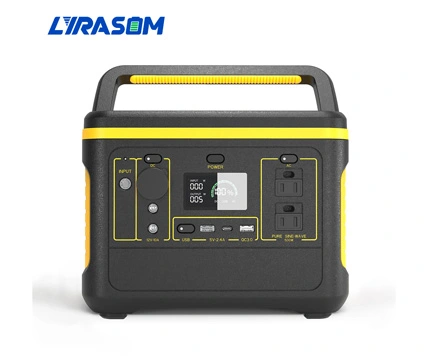
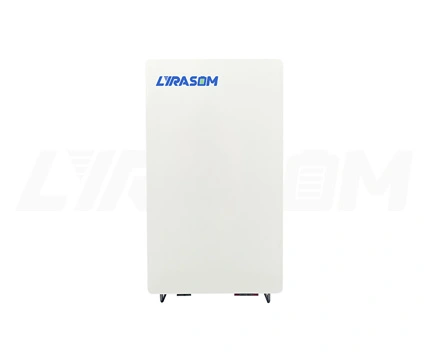
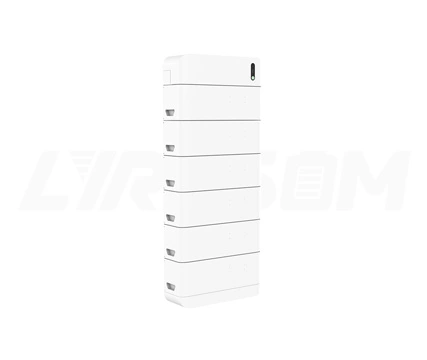
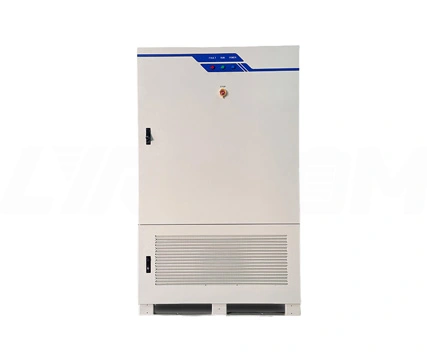
Popular lithium battery cells at Lyrasom:

 English