Search


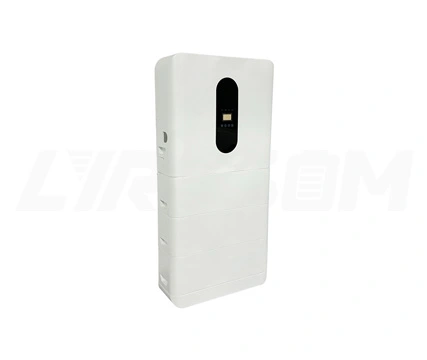
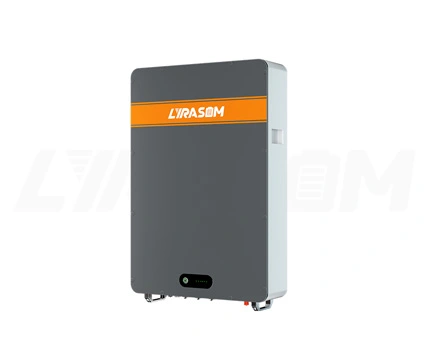
Lithium-ion batteries have become a leading option for homeowners who want efficient and dependable energy storage for their solar systems. Known for their strong performance, these batteries allow households to use nearly all of the energy they store, unlike traditional lead-acid batteries that leave a significant portion unused. Their compact design, long service life, and minimal maintenance requirements make them highly practical for residential use. By storing excess solar power produced during the day and making it available at night, lithium-ion batteries help ensure a steady, sustainable energy supply for everyday living.
The popularity of lithium-ion batteries for residential solar systems comes from a combination of performance, efficiency, and durability. One of their most significant advantages is a high depth of discharge, meaning that almost all of the stored energy can be accessed before recharging is necessary. In practical terms, this makes them far more efficient than lead-acid batteries, which typically only allow about half of their energy to be used. Lithium-ion batteries also last considerably longer, with many models offering warranties of a decade or more, as well as the ability to withstand thousands of charging cycles without major degradation.
Their high energy density means they can store a large amount of power in a compact unit, a valuable feature for households with limited space. Energy efficiency is another strength, as these batteries generally retain between 90 to 95 percent of the energy put into them, minimizing waste. Maintenance is simple as well, with little required beyond keeping the unit clean and unobstructed, unlike lead-acid batteries that often demand regular upkeep and monitoring. Altogether, these qualities make lithium-ion batteries an appealing investment for homeowners seeking long-term solar energy storage.
While lithium ion battery for home offer many benefits, they are not without challenges. The most noticeable drawback is the high initial cost, which is significantly greater than that of lead-acid alternatives. However, federal tax credits and various incentive programs can help offset this upfront expense. Over time, their long lifespan often proves more economical, as lead-acid batteries usually require replacement within a few years, erasing their initial cost advantage.
Another potential concern is safety, specifically the risk of overheating or thermal runaway. Although such incidents are rare, they can occur if the battery is improperly installed or poorly maintained. Fortunately, professional installation and adherence to safety guidelines greatly reduce this risk, making modern lithium-ion batteries a safe choice for most homes.
For many households, a lithium-ion battery is one of the most effective solutions for everyday solar energy storage. Its compact size, efficiency, long operational life, and low maintenance needs generally make it superior to lead-acid batteries. It is especially valuable for homeowners who want to maximize the benefits of solar power by capturing daytime energy and using it after sunset.
That said, lithium-ion batteries are not always the best fit for every situation. For example, if the system is intended only for occasional backup power or a budget-conscious off-grid project, lead-acid batteries may still be the more practical option because of their lower cost. The high upfront investment of a lithium-ion system does not always guarantee financial savings, since much depends on local electricity prices, available incentives, and the frequency of power outages in a given area.
The best way to decide is to consult with several solar installers, who can evaluate your energy usage, explain the potential savings, and determine whether a lithium-ion battery system is the right match for your household's needs.

 English