Search


One of the most common uses of lithium batteries is in consumer electronics. Devices such as smartphones, laptops, tablets, and handheld gadgets rely on the efficiency of a lithium-ion battery for home and personal use. Thanks to their high energy density, these batteries can store large amounts of power without adding bulk, making modern devices sleek, lightweight, and highly portable. Another benefit is convenience: lithium-ion batteries do not require full discharges before recharging, and they demand little maintenance over their lifespan. When responsibly recycled, they also offer a more eco-friendly energy solution. In digital cameras, including DSLRs and mirrorless models, lithium-ion batteries provide consistent performance, with many manufacturers designing cross-compatible battery systems that support multiple generations of devices. For timekeeping, small lithium batteries power wristwatches with a dependable 3-volt output. In low-drain watches, these cells can last close to ten years, delivering long-term precision and reliability.
In healthcare, lithium battery applications are essential for powering life-saving medical devices. Pacemakers, for example, rely on lithium-ion batteries to deliver stable and long-lasting energy, typically functioning for seven to eight years with minimal capacity loss. Their lightweight design, usually under 30 grams, makes medical devices more comfortable and portable for patients. Beyond pacemakers, a lithium-ion battery for home and medical equipment supports innovations in compact, ergonomic devices used in hospitals and at home. This ensures healthcare providers can rely on dependable portable tools, while patients benefit from devices that are efficient, safe, and easy to use.
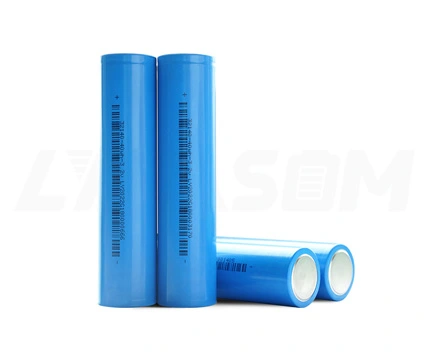
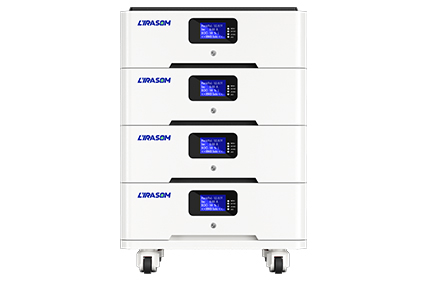
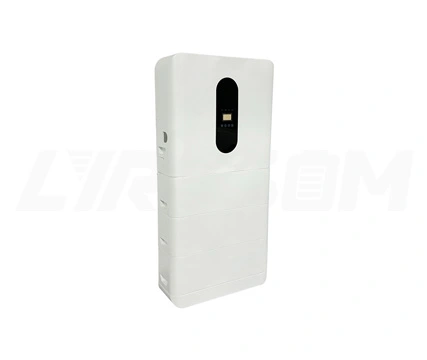
A lithium-ion battery such as the 32140 lithium battery for home solar systems is one of the most important renewable energy storage solutions available today. By capturing and storing excess electricity from solar panels, these batteries provide homeowners with a steady supply of power during nighttime hours, cloudy days, or grid outages. Their fast charging capability works seamlessly with the low-resistance charging of solar setups, making them a natural fit for residential renewable energy projects. Beyond solar energy storage, lithium-ion batteries are widely used in uninterruptible power supply (UPS) systems and emergency backup applications. They deliver instant energy to critical equipment such as computers, communication systems, and medical devices, outperforming slower generators by responding immediately during a power outage. This reliability makes them an invaluable part of both home energy systems and professional backup power solutions.
Another growing use of lithium batteries is in transportation. From electric vehicles (EVs) to mobility scooters and golf carts, lithium-ion batteries provide lightweight, efficient, and long-lasting power. With cycle lives ranging from 1,000 to 2,000 charges, they last significantly longer than lead-acid batteries while offering extended driving ranges. In golf carts, 48V lithium-ion models can operate up to ten times longer than traditional options, recharge quickly, and perform reliably even in cold weather. They are also lighter and require little upkeep, making them ideal for frequent use. For personal mobility, a lithium-ion battery for home and medical mobility applications powers advanced electric wheelchairs with aerospace-grade frames and efficient brushless motors. These systems extend range and convenience, though they often come with a higher price tag compared to conventional batteries.
Lithium-ion batteries are also key in powering surveillance and alarm systems, particularly in remote or off-grid settings. Their compact size, long service life, and extremely low self-discharge rate allow them to remain dependable even when systems are idle for long periods. This makes them an excellent choice for monitoring remote properties, managing fleets, or maintaining reliable security. In the leisure sector, a lithium-ion battery for home RV systems and marine recreational vehicles provides sustained power for appliances and onboard electronics. With lifespans often exceeding a decade and minimal energy loss during downtime, these batteries make off-grid living and travel much more reliable. Their lightweight design and efficiency further enhance their appeal for adventurous homeowners who want dependable power on the road or water.
The marine industry increasingly depends on lithium-ion technology, especially lithium iron phosphate (LiFePO4) variants. Boats and yachts use these batteries to power trolling motors, navigation systems, and onboard electronics, benefiting from a safer and lighter alternative to bulky lead-acid batteries. For everyday users, portable power packs with lithium-ion batteries provide compact, durable, and fast-charging solutions. These packs withstand movement and temperature fluctuations, making them ideal for charging laptops, communication devices, and other portable electronics. With their combination of portability, efficiency, and resilience, lithium batteries remain the preferred choice for anyone needing reliable power on the go.

 English