Search


Lithium batteries have become increasingly prevalent in modern technology, powering devices such as cell phones, laptops, cordless power tools, and electric vehicles. Despite their widespread use, not all lithium batteries are identical, as they vary in composition and performance. This blog will discuss six primary types of lithium batteries.
A lithium battery operates by utilizing lithium ions to store energy, creating an electrical potential difference, or voltage, between its negative and positive poles. This process involves a separator, an insulating layer that divides the battery's two sides. The separator prevents electrons from passing while allowing lithium ions to move through. While charging, lithium ions flow from the positive to the negative side through the separator, and during discharge, they travel in the reverse direction. This movement generates the voltage that powers connected devices.
Lithium batteries differ based on their active materials and chemical reactions, which determine their energy storage capabilities. Each type is named after its active materials, such as lithium iron phosphate, commonly abbreviated as LFP based on the chemical symbols LiFePO4. These variations result in unique benefits, drawbacks, and optimal use cases for each battery type.
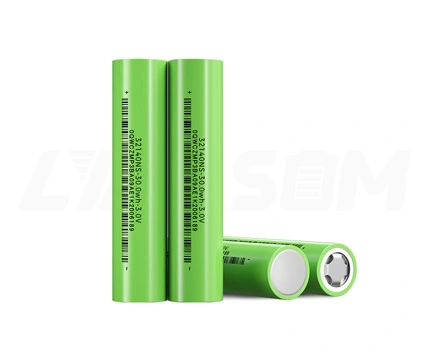
Lithium iron phosphate batteries, or LFP batteries, feature phosphate as the cathode material and a graphitic carbon electrode as the anode. Known for their long life cycle, these batteries offer excellent thermal stability and electrochemical performance. Each LFP cell has a nominal voltage of 3.2 volts, so linking four cells in series creates a 12.8-volt battery, which is why they are frequently used as replacements for lead-acid deep-cycle batteries. Their durability, long lifespan, and safety are key advantages, with a lifecycle rating often exceeding 2,000 cycles. Unlike lead-acid batteries, LFP batteries such as the 32140 lithium battery can be discharged up to 80% or even 100% without significant damage, thanks to the low-resistance materials used, which ensure high stability and a thermal runaway threshold around 518 degrees Fahrenheit. However, LFP batteries have lower specific energy compared to other lithium types and may underperform in cold temperatures, making them less suitable for high-cranking applications.
Lithium cobalt oxide batteries, or LCO batteries, are characterized by high specific energy but low specific power, meaning they excel at delivering power over extended periods in low-load applications but struggle in high-load scenarios. Historically common in portable electronics like mobile phones, tablets, laptops, and cameras, LCO batteries are losing favor due to the high cost of cobalt and safety concerns. Their primary strength lies in their ability to provide sustained power in low-load devices. However, their lifespan is relatively short, typically lasting 500 to 1,000 cycles, and their low thermal stability raises safety issues. Additionally, their high cost and limited performance in high-load applications make them less cost-effective over time.
Lithium manganese oxide batteries, known as LMO batteries, use lithium manganese oxide as the cathode material, forming a three-dimensional structure that enhances ion flow, reduces internal resistance, and improves current handling and thermal stability. These batteries are commonly used in portable power tools, medical instruments, and some hybrid and electric vehicles. LMO batteries charge quickly, deliver high specific power, and operate safely at higher temperatures compared to LCO batteries. Their chemistry can be tuned for either high-load or long-life applications, adding to their versatility. However, their lifespan is a notable drawback, typically ranging from 300 to 700 charge cycles, which is shorter than other lithium battery types.
Lithium nickel manganese cobalt oxide batteries, or NMC batteries, combine nickel, manganese, and cobalt in the cathode to create a stable chemistry with high specific energy. Nickel provides high energy density but lacks stability, while manganese offers exceptional stability but lower energy density; cobalt enhances overall performance. This combination makes NMC batteries popular in power tools, e-bikes, scooters, and some electric vehicles. They boast high energy density, a longer lifecycle, and greater thermal stability than LCO batteries, making them safer and more cost-effective than cobalt-based alternatives. The primary drawback is their slightly lower voltage compared to cobalt-based batteries.
Lithium nickel cobalt aluminum oxide batteries, or NCA batteries, deliver high specific energy, decent specific power, and a long lifecycle, making them suitable for high-load applications requiring sustained current. They are widely used in the electric vehicle market, notably by Tesla, due to their ability to provide consistent power over extended periods. Their high energy density and respectable lifespan are significant advantages. However, NCA batteries are less safe than other lithium technologies and are relatively expensive, which can be a limiting factor for some applications.
Lithium titanate batteries, or LTO batteries, differ from other types by using lithium titanate in the anode instead of graphite, paired with LMO or NMC as the cathode. This configuration results in an extremely safe battery with rapid charging capabilities, a long lifespan, and excellent stability across a wide range of operating temperatures. LTO batteries are used in diverse applications, including electric vehicles, charging stations, uninterrupted power supplies, wind and solar energy storage, solar street lights, telecommunications systems, and aerospace and military equipment. Despite their fast charging, wide temperature tolerance, and superior safety, LTO batteries have lower energy density, meaning they store less energy relative to their weight, and they are notably expensive compared to other lithium technologies.
Not all batteries rely on lithium, as other technologies remain in use. Lead-acid deep-cycle batteries, for example, have long been standard in gas-powered motor vehicles due to their low upfront cost, though lithium batteries are increasingly replacing them. Alkaline batteries, using zinc and manganese dioxide, dominate the market for off-the-shelf AA and AAA batteries. Additionally, nickel-cadmium (NiCad) batteries, which use nickel oxide hydroxide and metallic cadmium, were once the primary choice for rechargeable batteries but are being overtaken by lithium batteries due to their superior performance.
Explore popular types of lithium battery cells at Lyrasom:
Commercial & Industrial Speicher
All-in-One Energy Storage System

 English