English


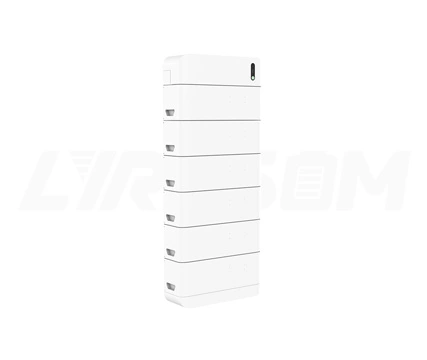
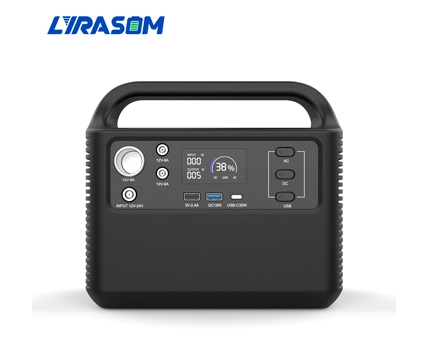
An All-in-One Energy Storage System (ESS) is an integrated energy storage solution that combines the battery pack, Battery Management System (BMS), inverter, and Energy Management System (EMS) into a single, compact unit. It stores electricity generated from solar panels or drawn from the utility grid and releases it during peak demand or outages.
| Component | Function |
| Battery Pack | Stores energy for later use |
| BMS | Protects and balances the battery |
| Inverter | Converts DC to AC power |
| EMS | Optimizes energy flow and usage |
This plug-and-play design eliminates compatibility issues and reduces installation complexity significantly.
Why Are All-in-One Energy Storage Systems Becoming Popular?
The surge in popularity of All-in-One ESS stems from broader industry trends and practical user benefits. As renewable energy penetration grows, the need for effective storage becomes critical to balance supply and demand.
Growing Solar Adoption
Global solar installations continue to break records year after year. However, solar production peaks during daylight hours while household and business demand often occurs in the evening. All-in-One systems capture excess daytime generation and store it for use when the sun isn't shining, maximizing the value of solar investments.
Need for Energy Independence
Rising electricity costs and frequent outages are pushing users toward self-sufficiency. These systems allow households and facilities to reduce reliance on the grid, achieving greater control over energy expenses and reliability.
Simplified Installation
Unlike traditional setups requiring extensive wiring and multiple components from different vendors, All-in-One units arrive pre-integrated. This dramatically cuts down on labor costs and installation time—often by 50-70%.
Lower Total Ownership Cost
Reduced complexity means fewer points of failure, lower maintenance needs, and better long-term economics. Many users report significant savings on bills through optimized self-consumption and peak shaving.
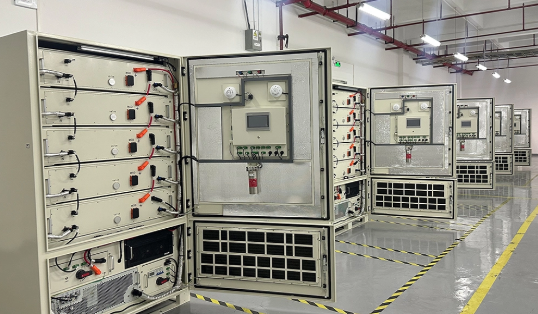
Main Components of an All-in-One Energy Storage System
Battery Pack
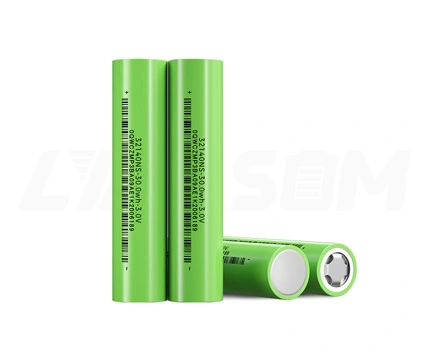
The battery pack is the heart of the system, responsible for storing electrical energy. Modern All-in-One ESS predominantly use advanced lithium-based chemistries for their high performance.
LiFePO4 (LFP): Offers exceptional safety, long cycle life (often 6000+ cycles), and thermal stability.
Sodium-Ion: Emerging as a cost-effective, abundant-material alternative.
NMC: Provides higher energy density for space-constrained applications.
| Battery Type | Advantages |
| LiFePO4 | Safety & Long Life (6000+ cycles) |
| Sodium-Ion | Lower Material Cost |
| NMC | High Energy Density |
Battery Management System (BMS)
The BMS acts as the guardian of the battery pack. It continuously monitors voltage, temperature, and state of charge while performing cell balancing to ensure uniform performance and prevent overcharging or deep discharging. This extends battery lifespan and enhances overall safety.
Inverter
The inverter converts stored DC power from the batteries into usable AC power for household appliances and grid export. Hybrid inverters in All-in-One systems can also manage solar input directly, enabling seamless multi-source operation.
Energy Management System (EMS)
The EMS serves as the intelligent brain, optimizing charging/discharging schedules, prioritizing solar usage, interacting with the grid during off-peak times, and providing remote monitoring via apps.
How Does an All-in-One Energy Storage System Work?
The operational flow is straightforward yet highly efficient:
Step 1: Power Generation
Energy is sourced from solar panels, the utility grid during low-cost periods, or even wind turbines in hybrid setups.
Step 2: Battery Charging
Excess power is directed to the battery pack for storage.
Step 3: Energy Storage Management
The BMS and EMS monitor conditions in real-time, ensuring safe and optimal storage.
Step 4: Power Conversion
When needed, the inverter transforms DC to AC.
Step 5: Energy Supply to Loads
Power is delivered to homes, offices, or factories—prioritizing critical loads during outages.
All-in-One ESS vs Traditional Energy Storage Systems
| Feature | All-in-One ESS | Traditional ESS |
| Installation | Simple | Complex |
| Wiring | Minimal | Extensive |
| Space Required | Small | Large |
| Maintenance | Easier | More Difficult |
| Deployment Time | Faster | Slower |
Advantages of All-in-One Energy Storage Systems
Faster Installation: Pre-integrated design minimizes on-site work.
Reduced Footprint: Ideal for space-limited urban or residential settings.
Improved Safety: Unified BMS and monitoring reduce risks.
Smart Monitoring: App-based remote control and diagnostics.
Scalability: Easily expand capacity by adding modules.
Residential Applications of All-in-One ESS
These systems excel in home environments.
| Application | Benefit |
| Home Backup Power | Uninterrupted power during outages |
| Solar Self-Consumption | Lower electricity bills |
| Off-Grid Homes | Complete energy independence |
Commercial and Industrial Applications
Peak Shaving: Reduce demand charges by discharging during high-price periods.
Demand Charge Reduction: Significant cost savings for high-usage facilities.
Backup Power: Ensure business continuity.
Microgrid Systems: Support localized resilient energy networks.
Why LiFePO4 Batteries Are the Preferred Choice for Modern ESS
LiFePO4 chemistry stands out for its balance of performance and safety.
Long Cycle Life: 6000+ cycles with minimal degradation.
Superior Safety: Excellent thermal stability, low fire risk.
Low Maintenance: No watering or equalizing needed.
High Efficiency: Often exceeding 95% round-trip efficiency.
| Chemistry | Cycle Life | Safety |
| Lead Acid | 500-1000 | Medium |
| NMC | 3000-5000 | Good |
| LiFePO4 | 6000-10000 | Excellent |