Search


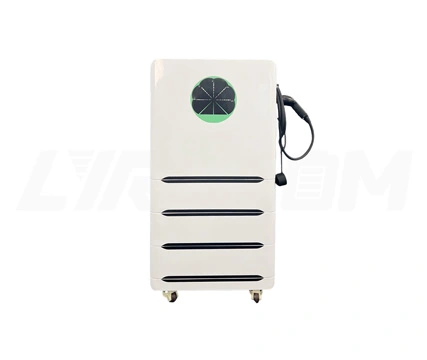
An all-in-one energy storage system (ESS) integrates a battery pack, Battery Management System (BMS), inverter, and Energy Management System (EMS) into a single, compact unit. It captures energy from solar panels, wind turbines, or the grid, stores it efficiently, and delivers clean AC power when needed. This plug-and-play solution optimizes energy use, reduces costs, and provides backup during outages.
In today's rapidly evolving energy landscape, an all-in-one energy storage system represents a breakthrough in renewable energy integration. Also known as an integrated energy storage system, it combines multiple critical components into one cohesive unit, simplifying deployment while enhancing performance. Unlike traditional setups with separate batteries, inverters, and controllers, these systems offer a seamless solution for both residential energy storage systems and larger commercial energy storage solutions. They are designed for hybrid energy storage system applications, making them versatile for various environments.
Battery Pack: Stores electrical energy for later use.
Inverter: Converts DC power to usable AC power.
Battery Management System (BMS): Ensures safe and optimal battery operation.
Energy Management System (EMS): Intelligently controls energy flow.
Plug-and-play installation for quick setup.
Compact footprint ideal for space-constrained locations.
Intelligent management with real-time monitoring.
High integration reducing wiring complexity and potential failure points.
| Feature | Traditional ESS | All-In-One ESS |
| Installation | Complex | Simplified |
| Wiring | More Wiring | Less Wiring |
| Footprint | Larger | Compact |
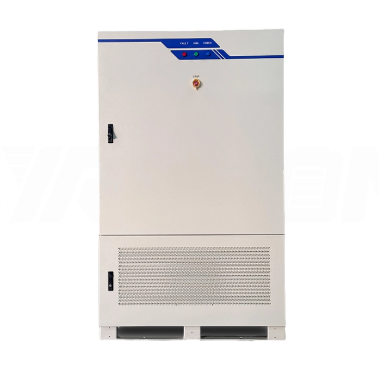
The battery pack serves as the heart of the system, responsible for storing electrical energy generated from renewable sources or the grid. Modern all-in-one systems predominantly use advanced lithium iron phosphate (LiFePO4) chemistry due to its superior safety profile, long lifespan, and thermal stability. LiFePO4 batteries offer thousands of charge-discharge cycles, making them ideal for daily cycling in residential and commercial applications. Emerging sodium-ion technologies are also gaining traction for cost-sensitive projects.
The BMS acts as the guardian of the battery pack, continuously monitoring and protecting individual cells to ensure longevity and safety.
| BMS Function | Purpose |
| Voltage Monitoring | Prevents over/under voltage |
| Temperature Monitoring | Ensures safe operating range |
| Cell Balancing | Maximizes capacity utilization |
| Protection Features | Overcharge, overdischarge, short circuit |
The inverter is the power conversion powerhouse, transforming direct current (DC) stored in the batteries into alternating current (AC) suitable for household appliances and grid connection. Hybrid inverters in all-in-one systems also manage solar input and grid interaction seamlessly.
The EMS serves as the intelligent brain, optimizing energy dispatch based on real-time data including electricity prices, solar production, consumption patterns, and grid conditions. It enables peak shaving, load shifting, and seamless backup power transitions.
Energy enters the system primarily from solar photovoltaic panels, though wind turbines or grid power can also serve as inputs. During peak sunlight hours, excess solar generation beyond immediate consumption is directed toward storage.
Solar panels produce DC electricity, which the hybrid inverter converts and conditions appropriately for battery charging. This step ensures efficient power transfer with minimal losses.
The BMS meticulously manages the charging process, balancing cells, monitoring temperature, and preventing overcharging or overheating. This phase maximizes battery health and usable capacity.
The EMS analyzes multiple data streams to decide whether to store energy, supply loads directly, or export surplus to the grid. Advanced algorithms optimize for cost savings and energy independence.
When solar production is insufficient or during grid outages, the system discharges stored energy. The inverter converts DC from batteries to AC, powering connected loads seamlessly.
During daylight hours with abundant solar production, excess energy charges the battery pack. Smart controls prioritize self-consumption and storage before any grid export occurs.
In the evening or during high-demand periods, the system discharges stored energy to meet household or business needs, reducing reliance on expensive peak-rate grid power.
During grid outages, the system instantly switches to island mode, supplying critical loads from the battery bank. This uninterruptible power supply capability is invaluable for both homes and commercial facilities.
Factory-integrated design dramatically reduces on-site labor and commissioning time compared to traditional modular systems.
Fewer components and simplified wiring translate to significant savings in both materials and labor.
Space efficiency makes these systems perfect for urban residential installations and commercial rooftops.
Cloud-connected platforms provide real-time insights, predictive maintenance, and remote optimization.
Integrated protection systems and LiFePO4 chemistry offer enhanced safety margins.
| Benefit | Description |
| Integration | Fewer components mean fewer failure points |
| Efficiency | Reduced energy loss through optimized conversion |
| Reliability | Intelligent control and comprehensive protection |
| Feature | All-In-One ESS | Traditional ESS |
| Installation Time | Short | Long |
| Wiring Complexity | Low | High |
| Maintenance | Easy | Moderate |
| Overall Cost | Lower | Higher |
| Space Requirement | Smaller | Larger |
Homeowners benefit tremendously from all-in-one systems through reliable backup power during outages, increased solar self-consumption, and substantial reductions in electricity bills. These systems integrate beautifully with rooftop solar arrays, providing energy independence and peace of mind.
Businesses leverage these solutions for peak shaving to avoid demand charges, demand management, and critical backup power for operations. Commercial energy storage solutions help facilities achieve sustainability goals while delivering strong return on investment through energy cost optimization.
LiFePO4 chemistry supports over 6000 cycles at 80% depth of discharge, ensuring decades of reliable service.
Superior thermal runaway resistance makes these batteries significantly safer than other lithium-ion variants.
Round-trip efficiency often exceeds 95%, maximizing usable energy.
| Parameter | LiFePO4 |
| Cycle Life | 6000+ |
| Efficiency | >95% |
| Safety | Excellent |
Sodium-ion technology promises lower material costs using abundant resources, better performance in extreme cold, and a more sustainable supply chain. While still emerging, sodium-ion batteries are poised to complement LiFePO4 in specific applications.
| Feature | LiFePO4 | Sodium-Ion |
| Cost Potential | Medium | Lower |
| Low Temp Performance | Good | Excellent |
| Maturity | Mature | Emerging |
It integrates battery storage, power conversion, and intelligent management to capture, store, and dispatch energy efficiently from multiple sources.
Typically includes battery pack, BMS, hybrid inverter, and EMS all in one compact unit.
Yes for most applications due to easier installation, lower costs, and better integration.
Absolutely. They provide seamless backup power to critical loads.

 English