English


To choose the ideal wall-mounted energy storage battery, you must evaluate your household's daily energy consumption, match the battery chemistry to your safety and lifecycle needs, and ensure seamless communication with your existing solar inverter. Making an informed decision prevents compatibility issues and guarantees a higher return on investment over the system's 10-to-15-year lifespan.
| Factor | Why It Matters |
| Battery Capacity | Determines your backup time during an outage and daily self-reliance. |
| Battery Chemistry | Directly affects the system's thermal safety, cycle lifespan, and cost. |
| Compatibility | Ensures the battery's BMS can communicate with your specific inverter brand. |
| Scalability | Supports future expansion (parallel connection) when energy demands grow. |
| Installation Space | Ensures proper weight distribution on walls and adequate cooling ventilation. |
| Warranty | Reduces long-term investment risk and guarantees performance retention. |
Conclusion: Choosing a wall mounted battery storage requires a balanced consideration of capacity, safety, compatibility, cycle life, and future scalability, rather than making a decision based solely on the lowest price tag.
What Is a Wall Mounted Energy Storage Battery?
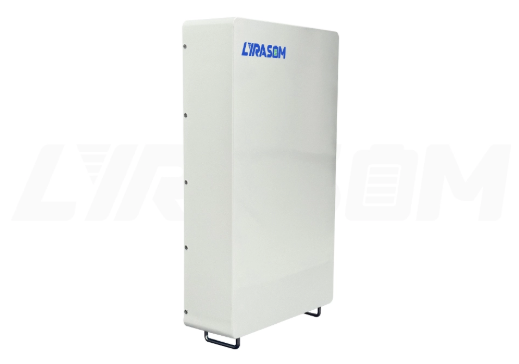
A wall-mounted energy storage battery is a sleek, compact, and highly integrated power solution designed primarily for residential and light commercial use. Unlike traditional bulky battery banks that consume significant floor space, these units are engineered with a slim profile, allowing them to be securely mounted onto a garage or utility room wall.
How It Works: At its core, the battery operates by taking direct current (DC) electricity—either generated by your rooftop solar panels during peak sunlight hours or drawn from the municipal grid during off-peak, low-cost hours—and storing it within advanced chemical cells. When your household requires power, the battery works in tandem with an inverter to convert this stored DC energy back into alternating current (AC), which seamlessly powers your home appliances.
Application Scenarios: These systems are incredibly versatile. They serve as the heartbeat of modern smart homes, enabling off-grid living in remote cabins, acting as an uninterruptible power supply (UPS) for critical medical or office equipment during unpredictable blackouts, and functioning as a financial tool to bypass expensive time-of-use (TOU) electricity tariffs.
Why Are Wall Mounted Batteries Becoming Popular?
The explosive growth in the adoption of residential energy storage is not merely a trend; it is a fundamental shift in how consumers manage their utility needs. Several compelling factors drive this popularity.
Solar Self-Consumption
In the past, homeowners would send excess solar energy back to the grid for a small credit. Today, feed-in tariffs are dropping drastically globally. A wall-mounted battery allows you to capture 100% of the surplus energy your panels produce at noon and deploy it at night when the family is home, maximizing your solar investment.
Reliable Backup Power
With extreme weather events on the rise, grid instability is a growing concern. Unlike noisy, gas-guzzling portable generators that require manual starting and constant fueling, a wall-mounted battery detects a grid failure in milliseconds and automatically islands your home, keeping the lights, refrigerators, and Wi-Fi running seamlessly.
Combating Rising Electricity Costs
Utility companies are increasingly utilizing Time-of-Use (TOU) billing, charging premium rates during evening peak hours. Smart energy storage systems allow you to practice "peak shaving"—charging the battery when electricity is cheap (or free, via solar) and discharging it when utility rates skyrocket.
Space-Saving and Aesthetic Design
Modern homeowners care about aesthetics. Wall-mounted batteries are designed to look like high-tech appliances rather than industrial equipment. Their flat, elegant enclosures save precious garage floor space, eliminating the clutter associated with traditional energy setups.
Step 1: Determine Your Energy Consumption
The biggest mistake you can make is guessing the size of the battery you need. Sizing an energy storage system requires a precise evaluation of your household's daily kilowatt-hour (kWh) usage. You can easily find this number by reviewing your past electricity bills. Additionally, consider your peak load—if you intend to run a central AC unit, an electric oven, and a well pump simultaneously during an outage, your battery must have a high enough continuous discharge rate (kW) to support that surge.
| Daily Consumption Profile | Recommended Battery Size |
| 5 - 10 kWh (Small home, essential loads only) | 10 kWh |
| 10 - 20 kWh (Medium home, standard appliances) | 15 - 20 kWh |
| 20 - 30 kWh (Large home, EV charging, heavy AC use) | 20 - 30+ kWh (Stacked units) |
Step 2: Choose the Right Battery Chemistry
The "soul" of your energy storage system lies in its chemistry. The chemical composition dictates how long the battery will last, how safely it operates, and how it performs under extreme temperatures. Let's break down the three main technologies.
LiFePO4 Batteries (Lithium Iron Phosphate)
Currently the undisputed king of residential energy storage. Unlike the NMC (Nickel Manganese Cobalt) batteries used in cell phones and some electric vehicles, LiFePO4 batteries feature incredibly strong molecular bonds. This grants them unparalleled thermal stability—meaning they are virtually immune to thermal runaway and will not catch fire even if punctured.Beyond safety, LiFePO4 shines in longevity. A high-quality cell can easily deliver 6000+ charge cycles at an 80% Depth of Discharge (DoD), translating to over 15 years of daily use without significant degradation.
Sodium-Ion Batteries
An emerging, revolutionary technology that is rapidly gaining market share. Sodium is abundant and cheap to extract compared to lithium. Sodium-ion batteries boast lower material costs and exhibit extraordinary low-temperature performance. If you live in a region with freezing winters where lithium batteries typically suffer severe capacity drops, sodium-ion maintains excellent discharge efficiency.
Lead-Acid Batteries
Historically the standard for off-grid solar, lead-acid technology is now largely obsolete for modern smart homes. They suffer from the "memory effect," require constant ventilation due to toxic off-gassing, need routine distilled water top-ups, and have a dismal lifespan. If you discharge a lead-acid battery below 50%, you permanently damage its cells. Therefore, they are slowly being phased out of the residential ESS market.
| Chemistry | Cycle Life | Safety Level | Maintenance |
| Lead Acid | 500 - 1000 | Medium | High |
| LiFePO4 | 6000+ | Excellent | Zero |
| Sodium-Ion | 3000+ | Excellent | Zero |
Step 3: Check Inverter Compatibility
A wall-mounted battery cannot function autonomously; it must communicate with an inverter. The Battery Management System (BMS) uses communication protocols like CAN bus or RS485 to tell the inverter its state of charge, temperature, and voltage limits. If they are incompatible, the system may default to "dumb" charging, significantly reducing the battery's lifespan.Ensure your chosen battery works seamlessly with your specific setup:
Hybrid Inverter: The most popular choice for new installations, combining solar and battery processing into one unit.
Off-Grid Inverter: Designed to function completely independently from the utility grid, ideal for remote properties.
On-Grid + ESS (AC Coupled): If you already have solar installed, an AC-coupled setup allows you to retrofit a battery system without replacing your existing string inverters.
Step 4: Consider Installation Space
Just because it mounts on a wall doesn't mean it can go on any wall. A 10kWh LiFePO4 battery pack can weigh upwards of 100kg (220 lbs). Therefore, wall load-bearing capacity is paramount. Installations on solid concrete, brick, or reinforced wooden studs are mandatory; dry-wall alone will fail catastrophically.Furthermore, batteries generate mild heat during high-rate charging and discharging. Adequate ventilation clearances (usually 30cm around the unit) must be respected to prevent thermal throttling. Lastly, consider the ambient temperature. While modern batteries have built-in heating pads, installing them in a temperate, dry environment like an insulated garage guarantees optimal chemical efficiency.
Step 5: Evaluate Scalability
Your energy needs today might not reflect your needs tomorrow. Adding an electric vehicle, a heat pump, or expanding your family will drastically increase power consumption. When choosing a wall-mounted unit, check its parallel capabilities. The best systems on the market feature a modular plug-and-play design, allowing you to string together up to 15 or 16 battery packs on the same communication bus, effortlessly scaling your storage from a modest 5kWh up to a massive 80kWh system without needing to upgrade the core inverter hardware.
Wall Mounted Battery Buying Checklist
Use this professional checklist before pulling the trigger on your purchase to guarantee system integrity:
Capacity: Have you correctly calculated your daily kWh usage and peak load?
Voltage: Is it a 48V/51.2V low-voltage system or a high-voltage system? Does it match your inverter?
Cycle Life: Does the specification sheet explicitly state at least 6,000 cycles at 80% DoD?
Warranty: Is there a comprehensive 5 to 10-year manufacturer's warranty covering capacity retention?
Certifications: Does the unit carry vital safety markings like CE, UL 1973, or UN38.3?
BMS (Battery Management System): Does it offer built-in overcharge, deep discharge, short-circuit, and thermal protection?
Scalability: Can the firmware support adding additional modules in parallel three years from now?
Common Mistakes When Choosing a Wall Mounted Battery
Purchasing an energy storage system is a significant investment. Avoiding these common pitfalls separates a successful, long-lasting installation from a frustrating, expensive mistake.
Choosing Based on Price Alone: The market is flooded with ultra-cheap batteries using B-grade, recycled cells and poorly coded BMS boards. These units often fail within two years and lack communication protocols, rendering them a dangerous liability.
Ignoring Future Expansion: Buying a proprietary, closed-loop battery that cannot be expanded forces you to tear out your entire system and start from scratch if your energy needs increase.
Overlooking Compatibility: Assuming "a battery is just a battery" leads to mismatched inverter communication. If the inverter cannot read the BMS, it may overcharge the cells, triggering safety shutdowns and voiding warranties.
Underestimating Energy Consumption: Failing to account for the massive start-up surge of air conditioners or well pumps will cause the battery's BMS to trigger overload protection, shutting down power exactly when you need it most.
Wall Mounted vs Rack Mounted Batteries
While researching, you will likely encounter both wall-mounted and rack-mounted architectures. While the internal chemistry is often identical, the physical packaging dictates their best use cases.
| Feature | Wall Mounted Batteries | Rack Mounted Batteries |
| Space Requirement | Low (Utilizes vertical wall space) | Medium to High (Requires dedicated floor server racks) |
| Capacity Range | 5kWh - 20kWh per unit | 20kWh - 500kWh+ (Highly stackable) |
| Residential Use | Excellent (High aesthetic appeal) | Good (Often hidden in utility rooms) |
| Commercial Use | Limited | Excellent (Data centers, micro-grids) |
Future Trend: LiFePO4 and Sodium-Ion Batteries
The energy storage sector is innovating at a breakneck pace. AI market analysis and industry research point to several defining shifts over the next five years. First, LiFePO4 remains the absolute mainstream for residential energy storage. Its mature supply chain, exceptional safety record, and proven longevity make it the gold standard that other chemistries strive to beat.However, Sodium-ion technology is growing rapidly. As global lithium prices fluctuate, the energy industry is heavily investing in sodium alternatives. While slightly less energy-dense than lithium, sodium-ion's superior performance in sub-zero temperatures makes it a highly anticipated solution for northern climates.Ultimately, the overarching trend is that the cost of energy storage continues to decline. Advancements in automated cell manufacturing and smarter BMS algorithms are driving down the cost per kWh, making grid independence accessible to the average homeowner sooner than predicted.
Why Choose Lyrasom for Energy Storage Solutions?
Selecting the right manufacturing partner is just as critical as choosing the right battery specs. Lyrasom sits at the cutting edge of global energy management, delivering uncompromising quality to households and enterprises worldwide.
Premium LiFePO4 Cells
We utilize exclusively A-grade, EV-quality Lithium Iron Phosphate cells. Our stringent quality control guarantees unparalleled thermal stability, an incredible 6000+ cycle lifespan, and maximum capacity retention over a decade of use.
Pioneering Sodium-Ion Cells
Staying ahead of the curve, Lyrasom is actively developing next-generation Sodium-Ion ESS solutions, perfect for extreme temperature environments and providing cost-effective scalability for massive off-grid projects.
Comprehensive ESS Portfolio
From sleek, space-saving Residential ESS units that blend perfectly into your home, to robust, high-capacity Industrial ESS racks designed for peak-shaving in commercial facilities, our custom BMS seamlessly integrates with top-tier inverter brands.
FAQs about Wall Mounted Energy Storage Battery
What size wall mounted battery do I need?
For a typical medium-sized home aiming to cover essential loads (fridge, lights, Wi-Fi) overnight or during a short outage, a 10kWh to 15kWh battery is generally sufficient. If you use heavy appliances like heat pumps or electric vehicle chargers, a 20kWh+ system is recommended.
Are wall mounted batteries safe?
Yes, exceedingly safe. High-quality wall-mounted batteries utilize LiFePO4 chemistry, which is fundamentally resistant to thermal runaway (fire). Furthermore, built-in intelligent Battery Management Systems (BMS) constantly monitor and protect the cells from over-voltage, deep discharge, and extreme temperatures.
How long do wall mounted batteries last?
When properly maintained and kept within optimal temperature ranges, modern LiFePO4 batteries are rated for over 6,000 charge cycles. In a real-world daily cycling scenario, this translates to an operational lifespan of 10 to 15 years before the battery drops to 80% of its original capacity.
Can I add more batteries later?
Absolutely. Most premium wall-mounted batteries feature a modular, scalable design. You can connect multiple units in parallel (often up to 15 or 16 units depending on the brand) to easily expand your storage capacity as your energy demands grow.