Search


As the world increasingly pivots toward sustainable energy solutions, understanding the nuances between different energy storage technologies has become essential. Among these, the terms “battery storage” and “BESS” (Battery Energy Storage System) often surface in discussions surrounding energy management. While they are frequently used interchangeably, they represent different levels of integration and functionality. This guide clarifies these two concepts, highlighting their unique characteristics and exploring how Lyrasom Energy integrates advanced cell technology to power the next generation of energy infrastructure.
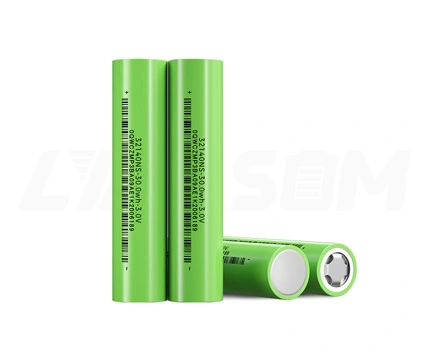
To understand the difference, it is helpful to think of Battery Storage as the core technology and BESS as the complete, integrated solution.Battery Storage is a broad, categorical term referring to the electrochemical technology used to store energy. It encompasses various chemistries, such as Lithium Iron Phosphate (LiFePO4) and Sodium-ion (Na-ion). In this context, battery storage refers to the physical cells or modules that hold the charge. For example, Lyrasom Energy’s high-capacity 32140 and 40140 cylindrical cells are prime examples of the “storage” medium—the high-density hardware that makes energy retention possible.BESS (Battery Energy Storage System) is a comprehensive, multi-component assembly. It is a “system of systems” that includes not just the battery cells, but also the critical infrastructure required to make that energy usable and safe for the grid or a home. A true BESS consists of:
The Battery Modules: The energy core (e.g., LFP cells).
Battery Management System (BMS): The “brain” that monitors cell health, voltage, and temperature.
Power Conversion System (PCS) or Inverter: Converts DC power from the batteries to AC power for use in buildings.
Energy Management System (EMS): Software that decides when to charge from the sun and when to discharge to the grid.
Thermal Management: Cooling systems to maintain optimal operating temperatures.
The primary distinction between a simple battery storage arrangement and a BESS lies in operational intelligence and scale.Standalone battery storage is often seen in simpler applications. For instance, a small portable power station might be considered “battery storage.” It provides power when needed but lacks the sophisticated grid-interactive features of a full-scale BESS. These are ideal for basic backup needs where complex energy management is not a priority.Conversely, a BESS is designed for dynamic energy management. Because a BESS includes an EMS and PCS, it can perform advanced functions that simple battery storage cannot. These include:
Peak Shaving: Automatically discharging power during “peak” hours when electricity prices are highest to save money.
Frequency Regulation: Helping utility companies maintain a steady grid frequency by injecting or absorbing power in milliseconds.
Renewable Integration: Smoothly buffering the intermittent nature of solar and wind energy to provide a constant “firm” power supply.
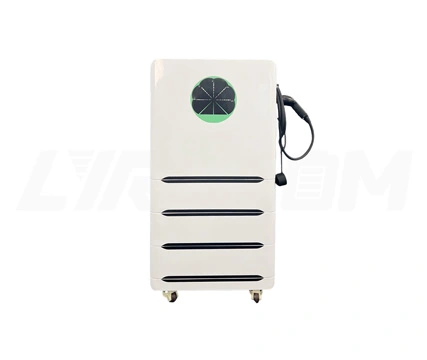
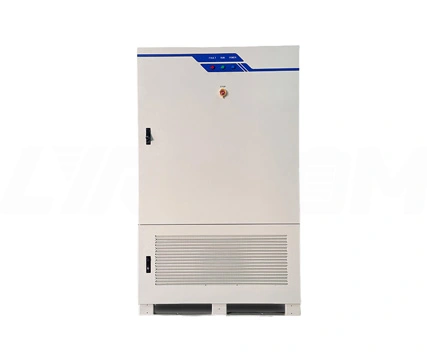
Lyrasom Energy’s industrial storage solutions represent the pinnacle of BESS technology, utilizing full-tab (tabless) LFP cells to ensure that these complex systems operate with maximum efficiency and minimum heat generation.
When evaluating these systems, the engineering of the underlying battery storage directly impacts the BESS performance. Lyrasom Energy focuses on the high-performance “storage” layer to enhance the entire “system.”A major differentiator in Lyrasom’s technology is the full-tab (tabless) structure found in their 32140 and 40140 series. Traditional battery storage cells often suffer from internal resistance at the tabs, leading to heat buildup. In a large-scale BESS, where thousands of cells are packed together, this heat can be catastrophic. By utilizing tabless technology, Lyrasom’s batteries allow for uniform current distribution, which leads to:
Lower Internal Resistance: Higher efficiency during energy conversion.
Faster Charging: BESS units can be “refilled” more quickly during off-peak hours.
Extended Cycle Life: Reducing the Total Cost of Ownership (TCO) by delaying the need for system-wide battery replacement.
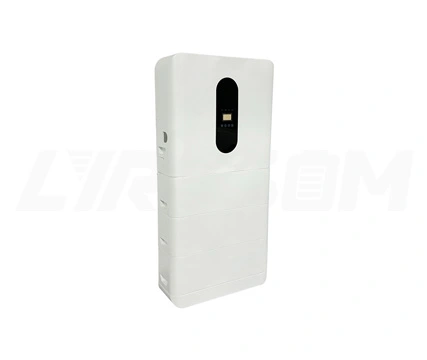
From a financial perspective, the choice between simple battery storage and an integrated BESS depends on the intended ROI.Standalone battery storage typically has a lower upfront cost because it lacks the advanced inverters and management software. It is a “passive” investment. However, a BESS, while requiring a higher initial capital expenditure (CAPEX), is an “active” asset. Through peak shaving, demand response programs, and grid services, a BESS can actively generate revenue or reduce operational costs (OPEX) in a way that simple storage cannot. Lyrasom Energy’s residential BESS energy storage systems are designed to maximize this economic value. By using high-density LiFePO4 and emerging Sodium-ion chemistries, Lyrasom ensures that the BESS remains functional for over 10–15 years, allowing the system to pay for itself through years of energy savings and reliability.
The decision-making process should be guided by the complexity of your energy needs. For homeowners looking for a simple, reliable backup for a few appliances, a basic battery storage unit may suffice. However, for organizations and modern smart homes looking to achieve true energy independence and integration with solar arrays, a BESS is the only viable path.As innovations continue to shape the landscape, partnerships with pioneering companies like Lyrasom Energy provide a significant edge. Whether you are looking for the raw power of individual high-capacity cells or a fully integrated energy storage system, understanding the distinction between the “battery” and the “system” ensures a more effective and sustainable energy strategy.
Q1: Is a home solar battery considered a BESS?
Yes. Most modern home solar batteries, like those offered by Lyrasom Energy, are technically BESS because they include an integrated Battery Management System (BMS) and often an inverter (PCS) to manage the flow of energy between the house, the solar panels, and the grid.
Q2: Can I upgrade a battery storage system into a BESS?
It is possible but complex. You would need to add an external Power Conversion System (PCS) and an Energy Management System (EMS) to provide the battery storage with the “intelligence” and grid-connectivity that defines a BESS.
Q3: What makes Lyrasom’s 32140 cells better for a BESS compared to standard cells?
The 32140 cells from Lyrasom use a full-tab (tabless) design. This is critical for BESS because it significantly reduces heat during the high-current cycles common in grid management, leading to better safety and a longer system lifespan.
Q4: Why is Sodium-ion battery storage becoming popular for BESS?
Sodium-ion is gaining traction because it is more cost-effective and performs better in extreme temperatures than traditional lithium-ion. Lyrasom is a leader in this field, providing Sodium-ion solutions that offer a sustainable and rugged alternative for large-scale industrial BESS.

 English