Search


As the global transition toward renewable energy accelerates, the role of Battery Energy Storage Systems (BESS) has become central to grid stability and energy independence. For stakeholders in the commercial, industrial, and residential sectors, the most critical question regarding these systems is their “lifespan.” Understanding how long a BESS battery lasts is not just a technical inquiry—it is a financial one, determining the return on investment (ROI) for sustainable energy projects. This guide examines the factors that define BESS longevity, the technological advancements by Lyrasom Energy that extend cycle life, and the best practices for maximizing system durability.
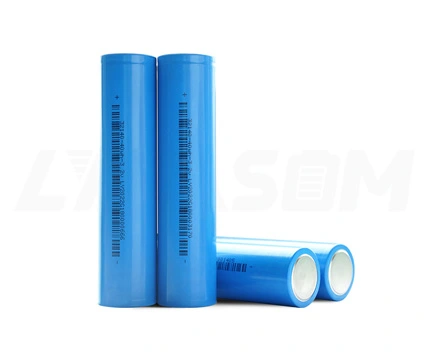
The lifespan of a BESS battery is generally measured through two distinct lenses: Cycle Life and Calendar Life.Cycle Life refers to the number of full charge and discharge cycles a battery can complete before its capacity drops below a specific threshold—usually 80% of its original rating. This is the “End of Life” (EoL) standard in the energy industry. Modern Lithium Iron Phosphate (LiFePO4) cells, such as the 32140 and 40140 cylindrical cells manufactured by Lyrasom Energy, are engineered to deliver between 2,000 and 6,000 cycles depending on usage intensity.Calendar Life refers to the total elapsed time a battery remains functional, regardless of how many cycles it has completed. In ideal conditions, a high-quality BESS using LFP or Sodium-ion technology can offer a calendar life of 10 to 15 years. Emerging Sodium-ion (Na-ion) batteries are particularly noteworthy for their durability in varying environments, promising longevity that rivals or exceeds traditional lithium-ion chemistries in specific industrial applications.
Several variables dictate whether a BESS battery reaches its maximum theoretical lifespan. Understanding these allows operators to optimize their energy management strategies:
Temperature is the most significant external factor in battery aging. Operating a BESS in extreme heat accelerates chemical reactions that lead to capacity loss. Conversely, extreme cold can increase internal resistance. Lyrasom Energy addresses this through its full-tab (tabless) design. By using the entire edge of the electrode as the terminal, internal resistance is lowered, which significantly reduces heat generation during high-current operations, thereby preserving the chemical integrity of the cell.
The Depth of Discharge refers to the percentage of the battery’s capacity that is used. Consistently discharging a battery to 0% (100% DoD) puts more stress on the chemical structure than discharging it to 20% (80% DoD). Advanced BESS configurations often limit the usable DoD via the Battery Management System (BMS) to ensure the cells operate within a “stress-free” zone, effectively doubling the cycle life.
The speed at which energy is moved in and out of the battery impacts its health. Rapid charging (High C-rate) can cause localized heating and mechanical stress within the cell. Industrial batteries from Lyrasom Energy are specifically built for high-performance duty cycles, utilizing robust LFP chemistry that handles higher C-rates more efficiently than consumer-grade batteries, ensuring that rapid energy delivery does not lead to premature failure.
The shift toward BESS technologies like LiFePO4 and Sodium-ion is driven by their overwhelming superiority over traditional lead-acid batteries.
Lead-Acid Batteries: Typically last 3 to 5 years with a cycle life of only 300 to 500 cycles. They are sensitive to deep discharges and require significant maintenance.
Lyrasom LFP BESS (32140/40140 Cells): These systems offer 10+ years of service and thousands of cycles. With an energy density often exceeding 140-160 Wh/kg, they provide a much smaller footprint and a much longer operational window.
Sodium-ion BESS: A newer alternative that excels in safety and low-temperature performance, providing a sustainable and cost-effective solution with a lifespan comparable to LFP, especially in regions with extreme climate fluctuations.
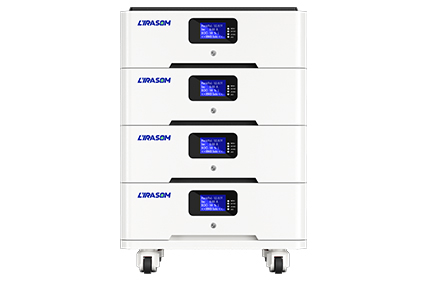
Extending the life of a BESS requires a combination of high-quality hardware and intelligent software management.Smart BMS Integration: A sophisticated Battery Management System is the “brain” of the BESS. It monitors cell voltage, balances the state of charge (SoC) across the pack, and prevents overcharging or deep discharging. Lyrasom’s residential BESS energy storage systems come equipped with integrated BMS solutions tailored to their high-capacity cylindrical cells.Strategic Sizing: Properly sizing a BESS for its intended application prevents the system from being overworked. For instance, using a 15,000mAh 32140 cell in a stackable home storage unit ensures there is enough overhead to meet peak demands without pushing individual cells to their thermal or electrochemical limits.
As the industry moves toward greener solutions, the environmental impact of the battery’s full lifecycle—from manufacturing to recycling—is becoming a part of the “lifespan” conversation. Lyrasom Energy is at the forefront of Sodium-ion technology, which uses more abundant materials. These cells are not only easier to recycle but also exhibit slower degradation rates in certain high-cycle industrial environments, making them a cornerstone of the next generation of long-life energy storage.By investing in high-specification cells like the LFP 32140 or the latest Sodium-ion models, businesses and homeowners can secure an energy infrastructure that is safe, efficient, and capable of performing for over a decade.
Q1: What is the average cycle life of Lyrasom Energy’s LFP 32140 cells?
Lyrasom’s LFP 32140 cells are engineered for high-durability industrial and residential use, typically offering a cycle life of 2,000 to 4,000 cycles at 80% Depth of Discharge (DoD) before reaching their end-of-life capacity.
Q2: How does a “Full-Tab” design contribute to a longer BESS lifespan?
The full-tab or tabless design reduces internal resistance within the battery cell. This results in less heat generation during operation, which is the primary cause of chemical degradation, thereby extending both the cycle and calendar life of the system.
Q3: Is Sodium-ion technology as durable as Lithium-ion for BESS?
Yes, Sodium-ion batteries are showing excellent durability, particularly in extreme temperatures where traditional lithium batteries might degrade faster. They offer a comparable lifespan with the added benefits of higher safety and lower environmental impact.
Q4: When should a BESS battery be replaced?
A BESS battery should be considered for replacement when its “State of Health” (SoH) falls below 80% of its original capacity, or if the Battery Management System (BMS) detects significant cell imbalance or physical swelling that compromises safety and efficiency.

 English