Search


A Battery Energy Storage System (BESS) stores electrical energy in batteries for later use, converting excess power into chemical energy and releasing it as needed to stabilize grids and support renewables. These systems are crucial for modern energy management, with the global BESS market projected to reach $17.1 billion in 2026.
A Battery Energy Storage System (BESS) consists of core electrochemical components that store, convert, and manage electrical energy for grid or site use.
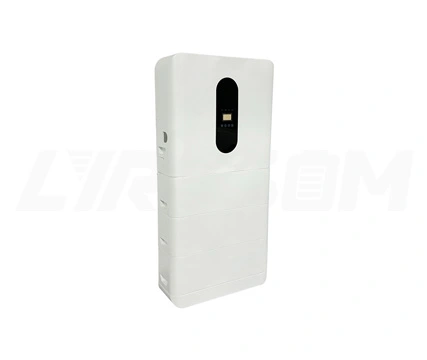
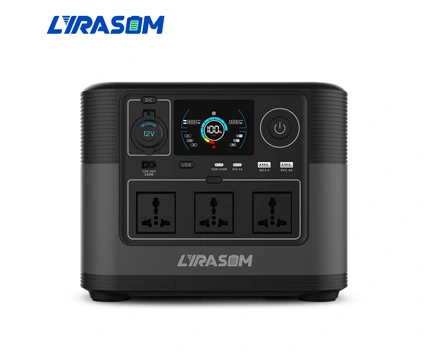
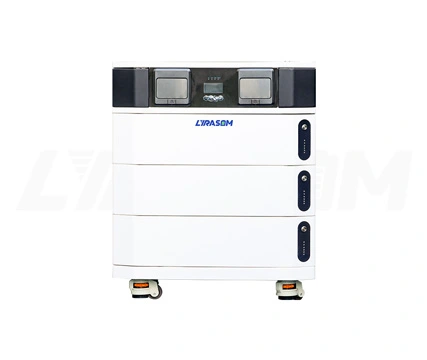
The primary components include battery modules made of lithium-ion cells like LiFePO4, which store chemical energy; a power conversion system (PCS) or bidirectional inverter that shifts DC to AC power; and a battery management system (BMS) monitoring health and safety. Enclosures provide thermal management and fire suppression for safe operation.
The charging process in a BESS converts AC electricity to DC chemical energy in batteries, while discharging reverses it to supply power on demand.
During charging, excess grid or renewable energy flows through the inverter to store in battery cells; discharging inverts DC back to AC for use, typically lasting 1-4 hours at full power. Advanced systems optimize cycles for efficiency, with lithium-ion batteries handling thousands of cycles.
Control systems in BESS, including BMS and EMS, monitor, optimize, and protect battery operations for safe, efficient energy flow.
The BMS tracks voltage, temperature, and state-of-charge per cell, while the energy management system (EMS) coordinates inverters and grid signals for services like frequency regulation. These enable millisecond responses, far faster than traditional plants.
BESS integration with renewables stores surplus solar or wind energy, releasing it to balance intermittency and enable higher grid penetration.
BESS performs load shifting by storing off-peak renewable output and discharging during peaks, supporting grid stability amid growing solar/wind adoption. China leads with 215.5 GWh installed capacity as of 2024, aiding massive renewable scaling.
Real-world BESS applications span peak shaving, backup power, and grid services in utilities, data centers, and industry.
Utility-scale projects like U.S. 100 MW facilities stabilize grids; commercial uses include data centers replacing diesel backups.
| Feature | Lithium-Ion BESS | Flow Battery BESS | Pumped Storage (non-BESS) |
|---|---|---|---|
| Response Time | Milliseconds | Seconds | Minutes |
| Duration | 1-4 hours | Up to 10+ hours | Hours to days |
| Cycle Life | ~8 years daily | Up to 30 years | Decades |
| Cost Trend | 40% YoY drop | Lower for long-duration | Site-dependent |
BESS stores electricity in rechargeable batteries for later use, typically using lithium-ion technology.
Most deliver full power for 1-4 hours, scalable by size.
Yes, with BMS, thermal controls, and fire suppression; lithium-iron-phosphate variants enhance safety.
Primarily lithium-ion (LFP, NMC) for high density and cycles.
Absolutely, storing excess daytime solar for evening use or grid export.
Market size hits $17.1B in 2026; system prices dropped 40% YoY recently

 English