English


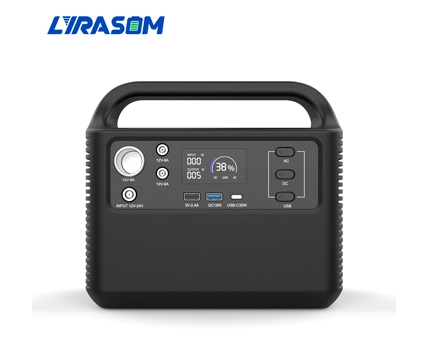
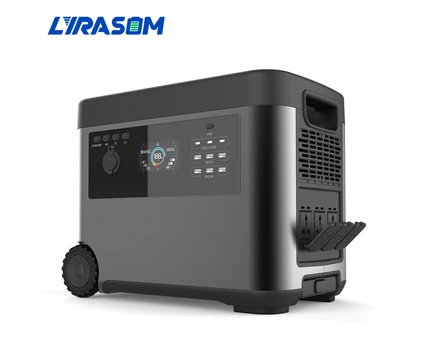
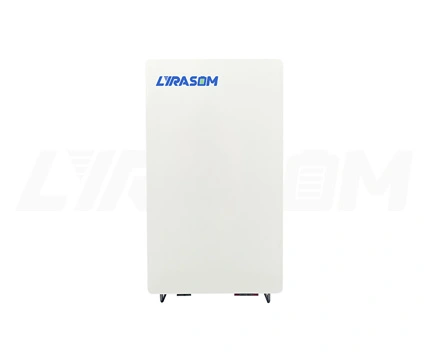
Battery Energy Storage Systems (BESS) store electricity in large-scale batteries, typically lithium-ion, for later use in grid stabilization and renewable integration. At Liyuan, we specialize in cutting-edge BESS to power the future.
Key Advantages of Battery Energy Storage Systems
Battery Energy Storage Systems (BESS) are scalable technologies that store electrical energy in rechargeable batteries for on-demand release, enhancing renewable integration.
BESS provide rapid response times for frequency regulation and grid stability, discharging energy in milliseconds during peak demand. They enable higher renewable energy penetration by storing excess solar or wind power, reducing curtailment. The global BESS market is projected to grow from $10.64 billion in 2026 at a 23.9% CAGR.
Brands like Lyraso offer modular BESS for residential to utility-scale, cutting energy costs via peak shaving—saving up to 30% on bills through off-peak charging.
Critical Disadvantages and Limitations of BESS
BESS limitations include high upfront costs, battery degradation (2-3% annually), and safety risks like thermal runaway in lithium-ion systems.
Capital costs range $120-300/kWh in 2026, with global averages at $180-300/kWh . Batteries degrade 1-3% per year or 3-7% with heavy cycling, reaching end-of-life (60% capacity) after 10-15 years or 3,000-5,000 cycles. Fire risks from thermal runaway require advanced cooling, as every 10°C rise doubles degradation .
Environmental concerns involve mining for lithium and cobalt, plus recycling challenges, though second-life uses mitigate impacts .
Comparative Analysis with Other Energy Storage Solutions
Comparative analysis evaluates BESS against alternatives like pumped hydro (PHES), compressed air (CAES), and flywheels based on efficiency, cost, lifespan, and scalability.
BESS excels in deployment speed (months vs. years for PHES) and flexibility, without geographic limits . However, PHES offers 70-80% efficiency and 50+ year lifespans for long-duration storage.
| Technology | Efficiency | Lifespan | Cost ($/kWh) | Duration |
|---|---|---|---|---|
| BESS | 85-95% | 10-15 years | 120-300 | Hours |
| Pumped Hydro | 70-80% | 50+ years | 100-200 (LCOS) | Hours-Days |
| CAES | 50-70% | 30-50 years | 50-100 | Hours |
| Flywheels | 85-95% | 20+ years | 200-500 | Minutes |
Long-Term Benefits vs. Short-Term Drawbacks
Definition: Long-term benefits of BESS include cost reductions and decarbonization, outweighing short-term high capex and degradation.
Short-term: High initial investment and 2-3% annual degradation raise Opex . Long-term: Costs dropped 89% since 2010, with LCOS under $65/MWh possible . BESS supports net-zero by enabling 24/7 renewables.
Lyraso's advanced LFP batteries minimize degradation, extending ROI to 15+ years.
Making Informed Decisions About BESS Adoption
Informed BESS adoption involves assessing needs, ROI via LCOS, and incentives like tax credits for scalable deployment.
Calculate LCOS considering 4-hour average duration and site factors.
FAQ: Battery Energy Storage Systems
What is a Battery Energy Storage System (BESS)?
How long do BESS batteries last?
10-15 years or 3,000-5,000 cycles, with 1-3% annual degradation.