Search


As the world shifts toward a decarbonized power grid, Battery Energy Storage Systems (BESS) have emerged as the most critical technology for bridging the gap between intermittent renewable energy and reliable power delivery. Whether for a smart home or a large-scale industrial park, BESS provides the flexibility to store energy when it’s abundant and deploy it when it’s most needed.In this comprehensive guide, we explore the mechanics of BESS, the breakthrough of Sodium-ion and LFP technologies, and how companies like Lyrasom Energy are revolutionizing the industry with advanced “Full-Tab” battery structures.
A Battery Energy Storage System (BESS) is an electrochemical device that captures energy from the grid or renewable sources (solar, wind) and stores it in rechargeable batteries for later discharge.Unlike traditional generators, BESS offers instantaneous response times, making it indispensable for:
Peak Shaving: Reducing electricity costs by discharging during expensive peak-demand hours.
Load Leveling: Balancing the fluctuations in power supply and demand.
Backup Power (UPS): Providing seamless transition during grid outages.
Frequency Regulation: Maintaining grid stability by responding to sub-second frequency changes.
To understand how a BESS operates, we must look at its four primary subsystems:
The heart of the system. While many use standard lithium-ion, the industry is pivoting toward LFP (Lithium Iron Phosphate) and Sodium-ion (Na-ion) for better safety.
Lyrasom’s Innovation: Utilizing high-capacity 32140 and 40140 cylindrical cells. Their proprietary Full-Tab structure significantly reduces internal resistance, minimizing heat generation while increasing energy density by up to 25%.
The “brain” of the BESS. The BMS monitors voltage, temperature, and State of Charge (SoC) for every cell, preventing overcharging and thermal runaway.
Since batteries store Direct Current (DC) and the grid uses Alternating Current (AC), the PCS handles the bi-directional conversion with high efficiency.
The EMS acts as the software layer, deciding when to charge or discharge based on market prices or load requirements. Meanwhile, liquid or air-cooling systems ensure the battery operates within its optimal temperature range (crucial for longevity).
For years, Cobalt-based lithium batteries dominated. However, the future of BESS lies in LFP and Sodium-ion technologies due to resource availability and safety.
| Feature | LFP (Lithium Iron Phosphate) | Sodium-ion (Na-ion) |
|---|---|---|
| Safety | High (Thermal stability) | Excellent (Non-flammable) |
| Cost | Moderate | Low (Abundant raw materials) |
| Low Temp Performance | Fair | Excellent (Works at -40°C) |
| Ideal Application | Long-term residential storage | Extreme climates & budget-friendly C&I |
Lyrasom Energy stands out by offering both solutions, allowing users to choose between high-cycle LFP systems or cost-effective, cold-resistant Sodium-ion systems.
Renewable energy is inherently “variable”—the sun doesn’t always shine, and the wind doesn’t always blow. BESS solves the “Duck Curve” problem:
Energy Shifting: Storing midday solar surplus to be used during the evening peak.
Microgrid Resilience: In remote areas, a BESS paired with solar creates a self-sustaining energy island, reducing dependence on expensive diesel generators.
Grid Strengthening: BESS reduces the need for “Peaker Plants,” which are often fossil-fuel-intensive and inefficient.
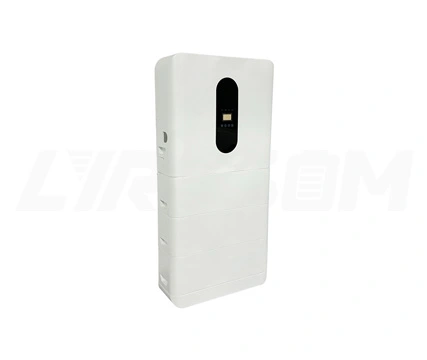
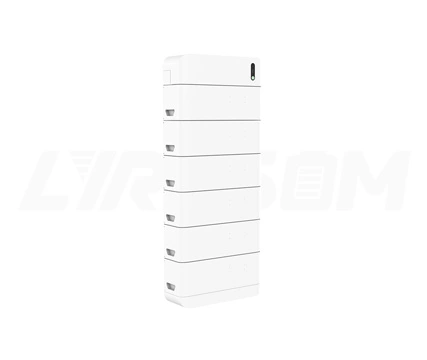
Homeowners use systems like Lyrasom’s Wall-Mounted or Stackable batteries to maximize self-consumption of solar energy. This residential BESS energy storage system provides “Energy Independence” and protection against rising utility rates.
For factories and data centers, BESS is a financial tool. By reducing “Demand Charges” (fees based on the highest point of energy usage), a 215kWh or 500kWh system can pay for itself within a few years.
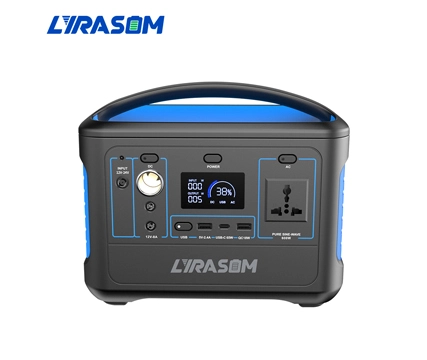
For outdoor use or emergency response, smaller-scale BESS (Portable Power Stations) provides mobile energy with AC outlets, USB ports, and solar charging capabilities.
When selecting a BESS provider, the “Cell-to-System” capability is vital. Lyrasom Energy differentiates itself through:
Full-Tab Technology: Unlike partial tabs, the full-tab design allows for faster charging and superior heat dissipation, extending the battery’s lifespan.
Global Reach: Products deployed in over 70 countries, meeting rigorous international safety certifications.
Vertical Integration: From manufacturing the 4GWh-capacity cells in Mianyang to assembling the smart racks in Dongguan and Huizhou, Lyrasom ensures quality at every step.
Battery Energy Storage Systems are no longer a luxury; they are a fundamental requirement for the modern energy landscape. By integrating advanced cell technology—like Lyrasom’s Full-Tab Sodium and LFP cells—businesses and homeowners can achieve a future that is not only green but also resilient and cost-effective.Ready to optimize your energy? Explore Lyrasom’s full range of BESS solutions today.
A: Most LFP-based BESS systems last between 10 to 15 years, or roughly 6,000 to 10,000 cycles, depending on depth of discharge (DoD) and thermal management.
A: Sodium-ion is more sustainable and performs better in cold weather, while LFP (Lithium) currently offers higher energy density. For large-scale stationary storage, Sodium-ion is becoming a highly competitive alternative.
A: Yes. A BESS can charge from the grid during “off-peak” hours (when electricity is cheap) and discharge during “peak” hours to save on bills.

 English