Search


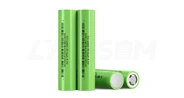
Lithium-ion cells primarily come in three key form factors, each offering unique benefits for different applications. Cylindrical cells are compact and highly versatile, making them ideal for power tools, drones, and medical devices. Prismatic cells, which resemble rectangular laptop batteries, provide higher energy density and are favored for custom lithium-ion battery packs in energy storage BESS system or 3.2V LiFePO4 battery replacements. Meanwhile, pouch cells—thin, foil-wrapped polymer batteries—deliver exceptional power density for high-performance uses. Understanding these li ion cell types ensures optimal selection based on size, capacity, and lifepo4 discharge rate requirements.
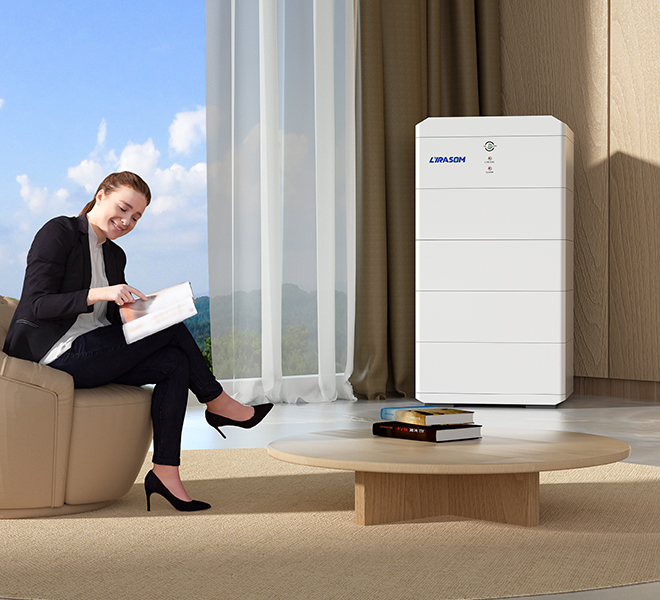
Lithium Iron Phosphate (LFP) batteries are revolutionizing home energy storage due to their unmatched safety and 10+ year lifespan. With 3,000–6,000 cycles and 95%+ depth of discharge (DoD), these 3.2V LiFePO4 cells outperform traditional lithium-ion options. They operate safely at a lifepo4 charge temperature of 0–45°C and require precise float charge LiFePO4 (typically 3.4V/cell) to maximize longevity. As lithium cell manufacturers like CATL and BYD scale production, LiFePO4 battery for sale prices have dropped—making them a top choice for wholesale lithium battery buyers and solar integrators.
When sourcing lithium battery cells for sale, prioritize suppliers with ISO 9001 certification and UL/IEC compliance. Reputable lithium cell manufacturers like EVE Energy or CALB provide transparent lifepo4 specs, including discharge rates and thermal thresholds. For custom lithium-ion orders, insist on sample testing of 32140 cells or other models to validate capacity claims. Avoid vendors with vague warranties or unverified battery lithium price discounts—quality LiFePO4 cells justify their cost with safety and cycle life.
LFP battery cells, also known as lithium iron phosphate batteries, are a type of lithium-ion battery using iron phosphate as the cathode material. Available from lithium cell manufacturers, they offer high energy density, long lifespan, and excellent performance in high-temperature conditions, making them ideal for residential LiFePO4 battery applications.
Due to their chemical composition, LFP battery cells for sale have slower LiFePO4 charge rates, which can limit their use in applications needing fast charging. Additionally, the LiFePO4 cell price can be higher, potentially restricting widespread adoption in lithium battery wholesale markets.
LiFePO4 battery types provide enhanced safety, longer cycle life, and better thermal stability compared to standard lithium-ion batteries. However, li-ion cell types typically have higher energy density, making them lighter and more compact for applications requiring a buy lithium ion battery.
LFP batteries, available from a lithium cell supplier, use lithium iron phosphate (LiFePO4) as the cathode and a graphite carbon electrode with metallic backing as the anode. The LiFePO4 material is a polyanion compound, distinct from other cathode materials used in custom lithium batteries.
LFP batteries, including 32140 cells, require critical materials like lithium, phosphorus, aluminum, and copper. These are vital for lithium cell manufacturers, especially in regions like the Netherlands and Europe, where raw material availability impacts battery lithium price.
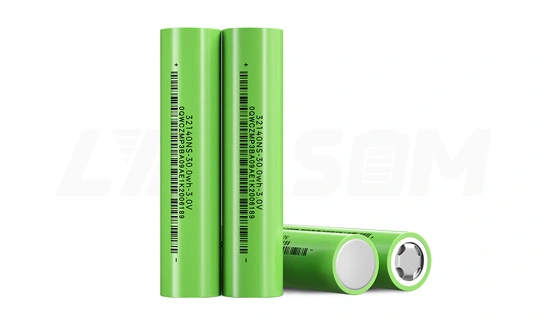
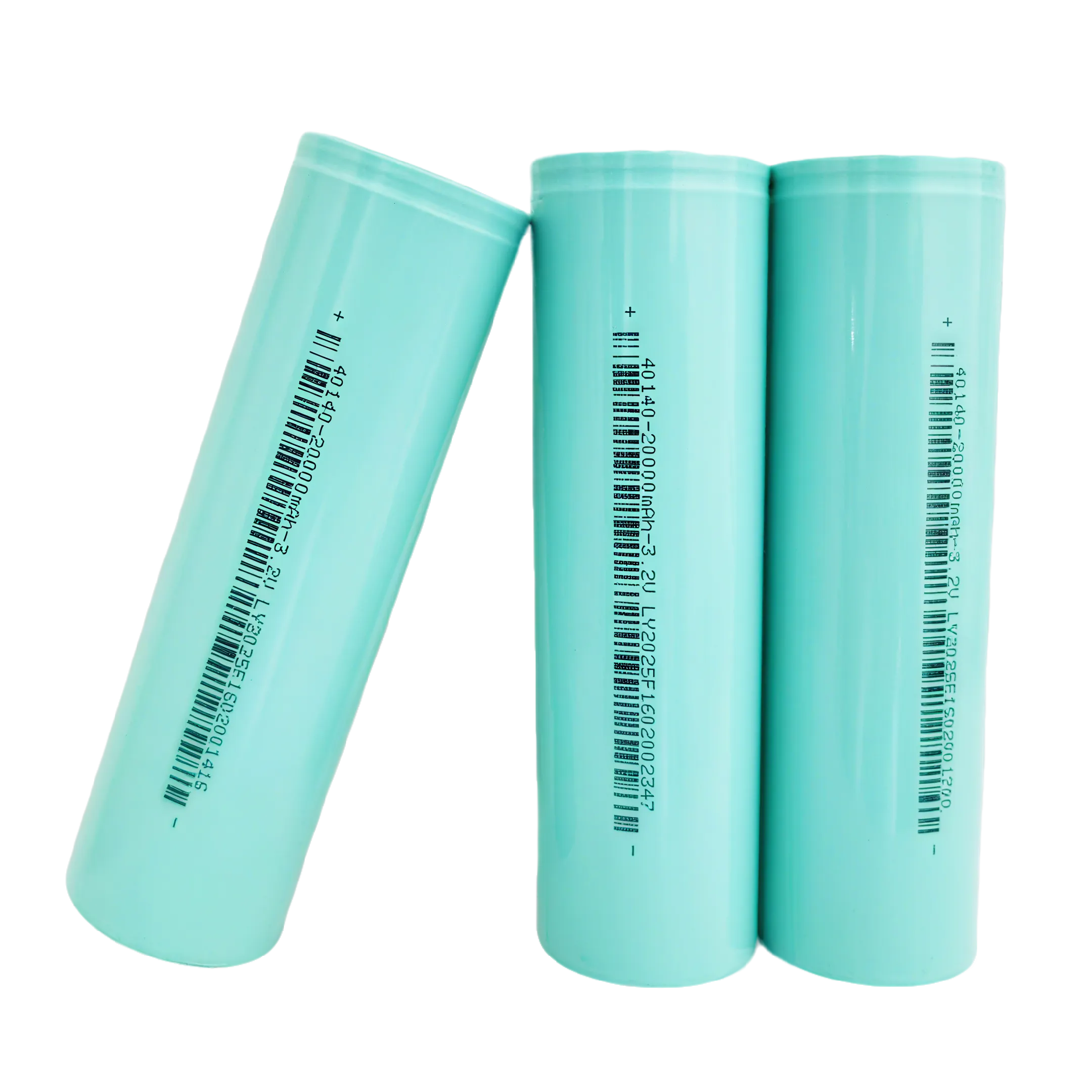
LiFePO4 batteries, such as the 32140 LiFePO4 battery, come in cylindrical, prismatic, and pouch formats, each with unique LiFePO4 specs. These lithium cells for sale are valued for their high safety, long cycle life, and excellent LiFePO4 max temperature stability, making them suitable for various applications, including OEM lithium ion battery systems.
Using a standard charger, such as one for lead-acid batteries, may not fully charge lithium battery cells for sale like LiFePO4 to their full capacity. Lead-acid chargers often switch to the absorption phase too early, limiting the charge for a custom lithium ion battery.
The peak voltage for a 3.2V LiFePO4 battery cell is 3.65V, while a 48V LFP battery home storage system can reach up to 58.4V. For charging, a 3.2 volt lithium ion battery requires a charging voltage of 3.5V to 3.65V and a lifepo4 float charge of 3.2V, with a discharge floor LiFePO4 of 2.5V. For a 48V system, the charging voltage ranges from 56.8V to 58.4V, with a float LiFePO4 voltage of 54.4V and a minimum voltage of 40V.
The optimal charging method for a battery LiFePO4 3.2V is the CCCV (Constant Current, Constant Voltage) technique. This involves applying a constant current of 0.3C until the LiFePO4 3.2V cell reaches 3.65V, then switching to constant voltage to finalize the charging process, ensuring safe and efficient charging for lithium cell batteries.
A 3.2V LiFePO4 battery for sale is fully charged at 3.6V to 3.65V. Its nominal voltage is 3.2V, but this can fluctuate during charge or discharge cycles, depending on the LiFePO4 charge rate and usage conditions.


 English