Search



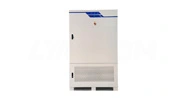
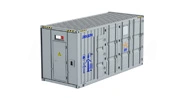
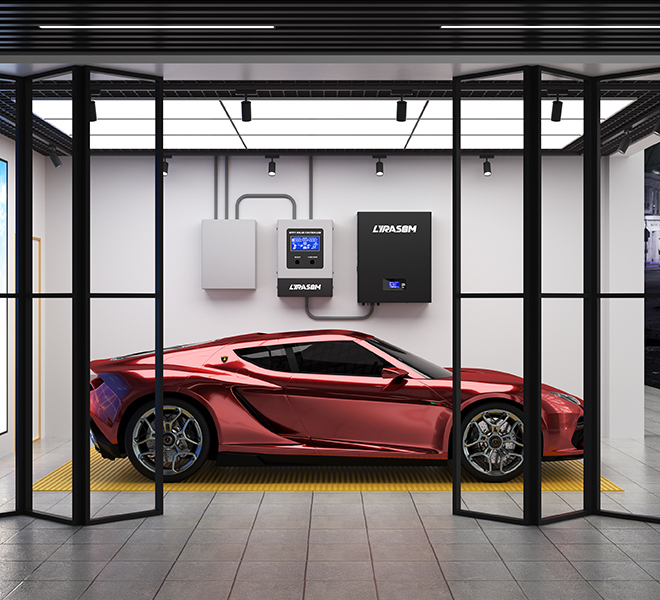
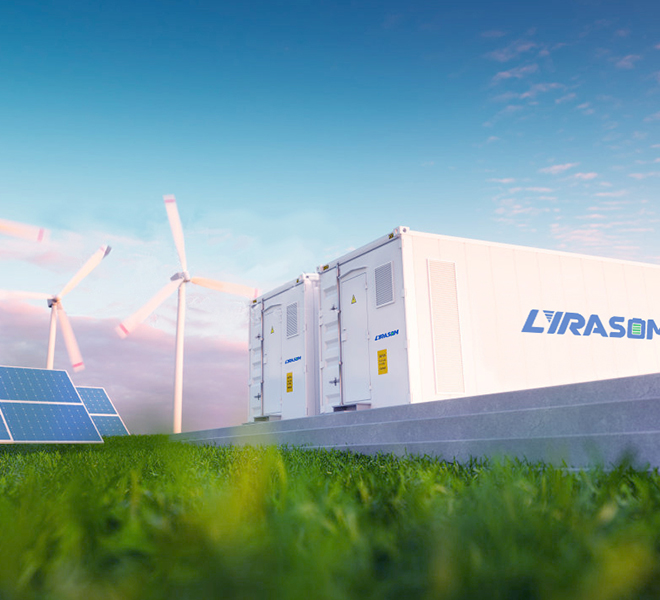
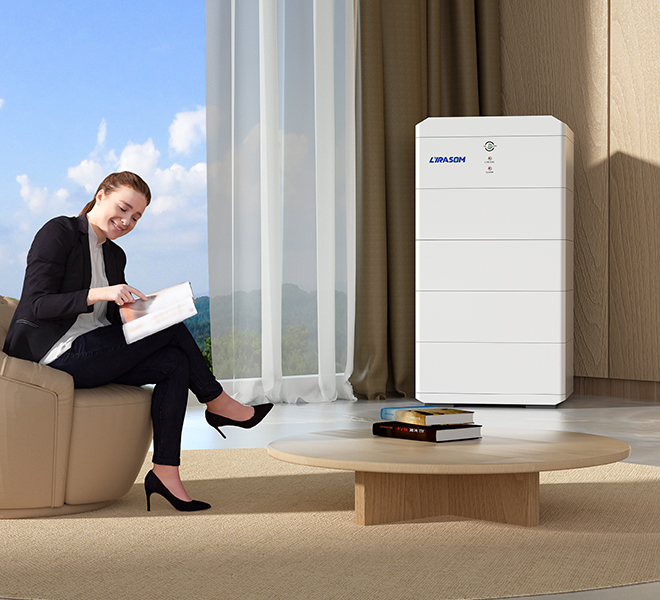
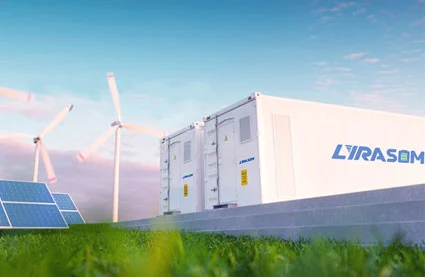
Our industrial and commercial energy storage systems are characterized by high safety, high magnification, and long service life. They adopt a modular battery box design, so it has a small size and light weight and is easy to carry. They support rack and container deployment and can be quickly applied to various scenarios and have many certifications, including CE, UN38.3, MSDS,GB, and UL. Lyrasom has ideal industrial and commercial energy storage system solutions to meet your various needs.
Selecting the right commercial and industrial energy storage system requires evaluating key factors to ensure performance, cost-effectiveness, and sustainability.
Demand Analysis. Begin by assessing energy needs, including peak loads and daily consumption, to determine the required capacity. Identify the system’s primary role, such as emergency power, load leveling, or integrating renewable energy like industrial solar battery storage, to align with operational goals.
Technological Types. Technology choice impacts system performance. Lithium-ion batteries, with high energy density, suit rapid charge-discharge applications, making them ideal for industrial battery storage systems. Lead-acid batteries are cost-effective but have lower density and lifespan. Sodium-nickel chloride batteries offer durability and higher density, ideal for large-scale industrial power storage.
Capacity and Power. Choose a system with sufficient industrial energy storage capacity, measured in kilowatt-hours (kWh), to meet daily demands. Ensure the output power, in kilowatts (kW), supports peak loads for reliable industrial battery system performance.
Economics. Evaluate initial costs, including equipment and installation, alongside long-term operating and maintenance expenses. Balancing these ensures the economic viability of commercial energy storage systems.
Policy and Incentives. Research local subsidies and incentives to enhance investment returns for industrial storage batteries. Ensure compliance with regulations for safe, legal operation.
Supplier and Service. Partner with a reputable supplier delivering reliable commercial battery storage systems. Confirm ongoing technical support and maintenance availability for consistent performance.
Scalability. Select a scalable industrial energy battery to accommodate future demand increases, ensuring long-term flexibility without costly overhauls.
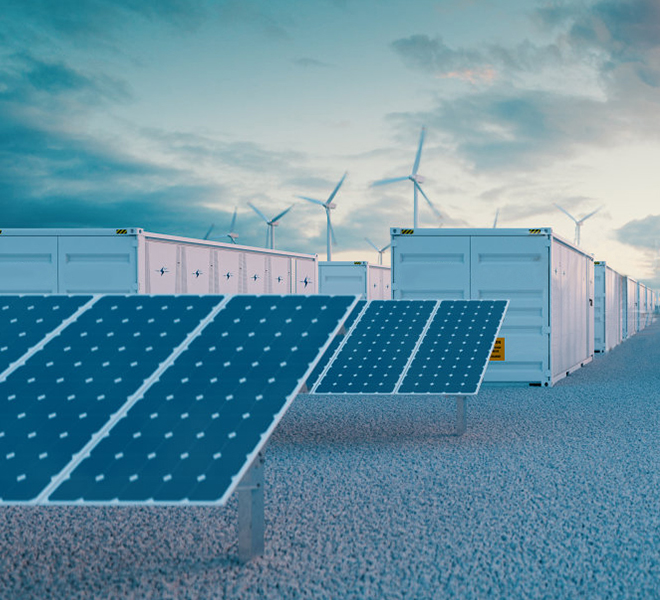
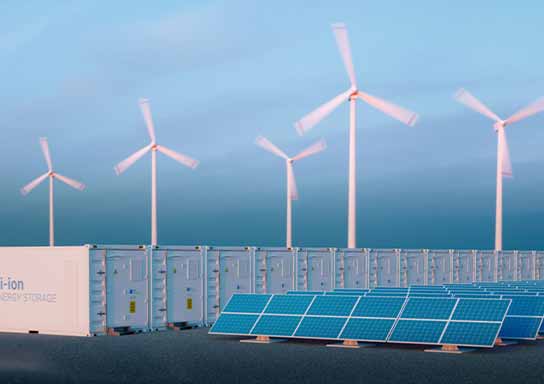
Environmental Impact. Prioritize systems that integrate with renewables, like commercial energy storage with solar, to reduce carbon footprints and enhance sustainability.


Commercial energy storage systems and industrial energy storage systems deliver multiple advantages, such as:
Cost Savings with Commercial Energy Storage: Commercial battery storage systems store energy during low-cost periods and discharge it during high-cost periods, significantly reducing electricity expenses for businesses.
Enhanced Reliability with Industrial Power Storage: Industrial battery systems, including UPS power supply rack mount solutions, ensure uninterrupted power during outages, keeping critical operations running smoothly.
Peak Demand Reduction via Commercial BESS: Commercial solar energy battery storage system technologies and industrial battery energy storage systems help lower peak demand on the grid, contributing to grid stability and preventing power disruptions.
The most prevalent technology in commercial battery storage and industrial battery systems is lithium-ion batteries, valued for their high energy density and fast response times. Lead-acid batteries, another option in industrial storage batteries, offer cost-effective solutions for specific use cases. Pumped hydro storage is highly effective for large-scale battery storage companies managing substantial energy demands, providing a robust solution for long-term energy needs. Flywheels used in commercial energy storage technologies for their rapid response capabilities are suitable for applications requiring immediate power delivery, such as ups power supply rack mount systems in data centers. Compressed air energy storage (CAES) and thermal energy storage are gaining momentum in industrial and commercial energy storage, offering a sustainable method to store and release energy efficiently.


 What are the main considerations when selecting an industrial or commercial energy storage system?
The main considerations when selecting an industrial or commercial energy storage system include the energy capacity, power output, efficiency, cost, and lifespan of the system. Other factors to consider include the operating environment, the level of control and monitoring required, and the availability of support and maintenance services.
How do industrial and commercial energy storage systems work?
Industrial and commercial energy storage systems work by storing excess electricity in batteries or other forms of energy storage during times of low demand. This electricity is then released during times of high demand, reducing the need to draw electricity from the grid.
How can commercial energy storage systems help control electricity usage?
Commercial energy storage systems enable businesses to strategically manage their electricity consumption by choosing when to draw power from the grid or utilize stored energy reserves. This approach optimizes energy usage, significantly reduces operational costs, and enhances flexibility in addressing electricity demands, making commercial power storage a vital tool for efficient energy management.
What are the advantages of modular commercial battery storage systems?
Modular commercial battery storage systems provide unmatched flexibility, allowing businesses to tailor their energy storage to meet specific requirements. These systems can be scaled up or down with customizable output capacities and battery configurations. The modular design simplifies maintenance and upgrades, ensuring long-term adaptability for commercial battery storage needs.
What is the role of industrial battery storage systems in grid stabilization?
Industrial battery storage systems play a crucial role in grid stabilization by storing surplus energy during low-demand periods and releasing it during peak demand or when renewable sources, such as solar or wind, are insufficient. This ensures a consistent and reliable energy supply, preventing outages and supporting grid stability, making industrial electricity storage a cornerstone of modern energy infrastructure.



 English